Having an older home features its fair share of special difficulties, especially when it involves keeping the plumbing and furnace. While it may be tempting to delay essential maintenance, addressing these issues proactively can save you from expensive and bothersome breakdowns down the line. From updating out-of-date devices to spotting surprise leaks, there are several strategies you can implement to guarantee your home's essential systems are running efficiently and effectively. Discover the key actions you can require to protect your investment and enjoy better comfort and comfort.
Key Takeaways
- Execute routine maintenance on pipes and heating unit to expand their life expectancy and prevent pricey problems. Update out-of-date plumbing systems to modern-day products like copper, PEX, or plastic to enhance water safety and security and performance. Shield exposed pipes and preserve thermostat settings over 55 F to protect against cold and burst pipes. Change old, ineffective home heating tools with modern-day, high-efficiency devices to lower energy expenses and improve comfort. Regularly check for leaks, clear stopped up drains, and maintain hot water heater efficiency to avoid significant plumbing problems.
Value of Regular Upkeep
Preserving your home's pipes and furnace through routine maintenance is vital to preventing costly and disruptive problems down the line. Executing safety nets like seasonal check-ups can considerably prolong the lifespan of your home's framework and help you capture issues early prior to they escalate.
During the autumn, have a professional inspect your heating system, boiler, and various other heating components to confirm they await the cooler months ahead. This allows them to resolve any kind of required maintenance or fixings prior to you rely on these systems.
In the spring, focus on your pipes by looking for leakages, testing water stress, and cleaning out any blockages in your drains. Little problems like a dripping faucet or slow-moving drain can get worse in time, leading to water damage and mold and mildew if left neglected.
Remaining aggressive with routine upkeep is the best means to shield your older home's plumbing and heating. It may require a first investment, yet the lasting advantages of staying clear of major failures and expensive repair services make it well worth the initiative.
Addressing Obsolete Pipes Equipments
For older homes, you'll likely need to face obsolete plumbing systems that might be prone to leakages, low tide pressure, or even the presence of hazardous materials like lead. Upgrading these aging pipelines and components can guard your home's structural honesty and guarantee your family members's health and safety.
When resolving obsolete plumbing, pay close attention to the pipeline materials in your home. Older homes might have galvanized steel, iron, or even lead pipelines, which can rust with time and infect your water supply. You'll want to replace these with modern copper, PEX, or plastic pipes that fulfill present plumbing codes.
Furthermore, assess your home's components like faucets, showerheads, and bathrooms. Out-of-date versions can drainage and contribute to low pressure. Swapping them for energy-efficient options not only improves performance yet can likewise lower your utility costs.
With the right pipes upgrades, you can renew your older home and delight in reliable, secure water accessibility for years to come.
Securing Pipeline From Icing Up
With winter's chill coming up, you'll need to take steps to shield your pipelines from freezing. Shielding exposed plumbing, sealing drafts, and enabling faucets to trickle can help protect against expensive ruptured pipelines and water damages during the chilliest months.
Start by insulating any kind of pipes that go through unheated spaces, like the attic room, basement, or crawl space. Cover them with foam pipe insulation or warm tape to maintain the water streaming.
Don't fail to remember to secure any type of voids or cracks where chilly air can seep in and get to the pipes. Usage caulk or weatherstripping around home windows, doors, and other openings.
When the temperature levels plummet, allow taps trickle slightly. The moving water is much less likely to freeze than still water.
If you'll be away, set the thermostat no lower than 55 F to keep a secure temperature level. Taking these easy preventative measures can conserve you from the headache and cost of an icy pipeline calamity.
Updating Home Heating Equipment
While safeguarding pipes is crucial, you'll likewise wish to contemplate upgrading your home's aging heater.
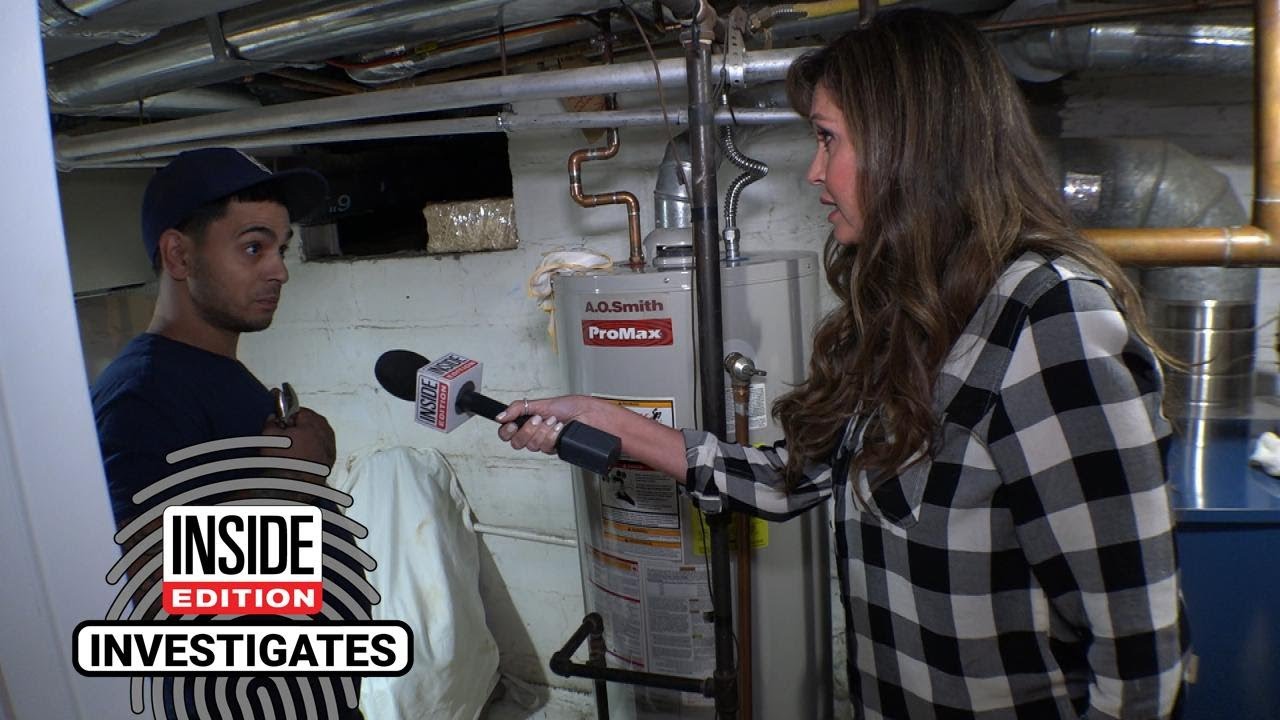
Older furnaces and boilers usually run inefficiently, costing you much more in power bills and maintenance over time. Purchasing a modern-day, high-efficiency unit can repay via lower utility expenses and boosted comfort throughout the chillier months.
When exploring new heating devices, consider energy-efficient designs that make use of the most up to date modern technologies. Today's heaters and boilers are crafted to optimize warmth result while lessening gas usage.
Features like variable-speed followers, modulating burners, and wise thermostats can better enhance effectiveness and provide you better control over your home's temperature. In addition, numerous upgraded systems are compatible with renewable resource resources, enabling you to lower your carbon impact.
Do not let an outdated furnace continue to drain your budget. Upgrading to a contemporary, energy-efficient unit can improve convenience, cut expenses, and assist future-proof your home.
Discovering and Repairing Leaks
Alongside upgrading your home's heater, proactively dealing with pipes leaks is vital to preventing pricey water damages and mold development. By routinely checking pipelines, faucets, and appliance links, you can rapidly identify and repair any concerns prior to they escalate.
When it concerns leak detection, keep an eye out for moist spots, dripping sounds, and reduced water pressure. You can also carry out a dampness evaluation by looking for moisture in wall surfaces, floors, and ceilings. If you suspect a leak, use a wetness meter to determine the resource.
As soon as located, turned off the water and make the essential repair work, whether it's tightening a connection, replacing a used washer, or fixing a broken pipe.
Don't postpone in dealing with leaks, as also little drips can cause comprehensive damage over time. By staying cautious and acting quickly, you'll safeguard your home and prevent the frustrations and expenses of significant plumbing repair work down the line.
Preserving Water Heater Efficiency
Regularly checking your water heater storage tank can aid recognize and deal with any kind of concerns beforehand.
If your storage tank is older, you might wish to ponder updating to an extra energy-efficient tankless water heater, which can save you cash on your energy costs over time.
Taking positive steps to preserve your water heater's performance can stop costly failures and assure your home has a trustworthy source of hot water.
Evaluate Storage Tank Regularly
Examining your hot water heater container frequently is important to maintaining its effectiveness and preventing costly fixings down the line. Disregarding this basic job can lead to sediment build-up, lowered heating capacity, and even early storage tank failure.
Beginning by aesthetically analyzing the tank for any kind of signs of tank deterioration or leakages. In time, minerals and debris can collect at the end of the storage tank, insulating the water and forcing your heating system to work tougher to preserve the wanted temperature level.
To fight this, drain a couple of gallons of water from the container every couple of months to flush out the sediment. You can additionally use a container cleansing pole to by hand stir up and remove built-up deposits.

Pay very close attention to the color and clearness of the drained pipes water - if it's dirty or stained, it's time for a more comprehensive cleansing. Additionally, check the anode pole, which aids safeguard the storage tank from deterioration, and replace it if it's significantly rusted.
Regular evaluations and upkeep will maintain your water heater running efficiently for years to come.
Upgrade to Tankless
If your older home's hot water heater is nearing the end of its life-span, you may wish to contemplate updating to a tankless system to improve power effectiveness and lower power expenses.
Tankless hot water heater offer on-demand hot water, just home heating water when required, rather than continuously keeping a container of warm water. This can result in considerable energy financial savings, as you're not frequently reheating a large container of water.
The installation advantages of a tankless system are also impressive. They use up much less space than conventional container heaters, offering you a lot more adaptability in where you can place the system.
Furthermore, tankless heating units commonly have a longer lifespan than their tank-based counterparts, usually lasting twenty years or more with correct upkeep.
While the ahead of time cost may be greater, the long-term energy cost savings and lowered maintenance demands can make a tankless upgrade a smart financial investment for your older home.
Protecting Against Clogged Drains
Don't let hair blockages reduce you down!
Fight this usual problem by stopping hair accumulation in your drains pipes.
Attempt a basic mix of cooking soda and vinegar to keep your drains pipes flowing openly.
Protect Against Hair Buildup
One way to avoid hair build-up and blocked drains in your older home is to frequently get rid of hair and particles from shower and sink drains utilizing a drain cover or a drainpipe serpent.
Beginning by setting up a drain cover or hair catcher in your shower and sinks. These affordable gadgets will catch hair and other debris prior to it can gather in the pipes, aiding to keep your drains moving openly.
Additionally, utilize a drainpipe snake or plumbing technician's serpent to get rid of any existing hair build-up. Merely place the tool into the drain and carefully turn it to dislodge and remove the entraped hair.
You may need to duplicate this procedure every couple of months, relying on the quantity of hair and use in your house.
Regular upkeep with a drain cover and regular use a drainpipe serpent can aid you prevent expensive and bothersome plumbing problems brought on by hair build-up in your older home's pipelines.
Sodium Bicarbonate and Vinegar
One more efficient method to avoid clogged drains pipes in your older home is to make use of a mix of cooking soft drink and vinegar.
Pour a half-cup of cooking soft drink away, adhered to by a mug of white vinegar. Allow the mix to fizz and benefit a number of mins before flushing it with warm water. This straightforward, chemical-free remedy can help break down hair, soap residue, and other particles that can collect in your home's pipelines with time.
Baking soda and vinegar options are a superb natural alternative to rough commercial drainpipe cleansers. The chain reaction in between the two active ingredients develops an effective fizzling activity that can remove and liquify buildup.
You can use this technique regularly as part of your drain upkeep routine, or use it when you notice a slow-moving drain. Make sure to comply with up with hot water to fully get rid of the pipelines.
This affordable strategy can help expand the life of your plumbing and avoid expensive clogs and repair work.

Hiring Experienced Experts
When dealing with plumbing and home heating problems in older homes, it's crucial to employ experienced specialists that can effectively detect and attend to the unique obstacles these residential or commercial properties may offer.
Try to find plumbing technicians and heating and cooling professionals that have actually the needed qualifications and licenses to deal with older systems. They'll have the know-how to identify underlying problems and supply long-term services.
Experienced experts can also assure any type of repairs or replacements are covered by considerable service warranties. This secures you from unexpected expenses down the line. They'll likewise recognize with the numerous building ordinance and authorization demands for older homes, saving you time and inconvenience.
Trying to do it yourself pipes or heating repairs in an older home can commonly make the trouble even worse. Avoid the headache and potential safety risks by working with the appropriate group for the work. With their expertise, you can have assurance that your home's vital systems remain in excellent hands.
Often Asked Concerns
Just How Can I Prolong the Life Expectancy of My Pipes Components?
To extend the lifespan of your pipes components, normal upkeep is crucial.
Beginning by checking your fixtures https://tituskfkf128.theburnward.com/the-benefits-of-routine-plumbing-system-flushes for any type of signs of wear or damage, and address concerns quickly.
Consider updating older fixtures to much more effective and sturdy versions - this can not only improve performance but additionally stop future troubles.
With a proactive approach to fixture maintenance and critical plumbing upgrades, you can maintain your home's pipes system running smoothly for many years ahead.
What Are the Usual Signs of a Sewer Line Concern?
If you discover uncommon drain line odors or slow-moving drains, these could be indicators of a sewer line issue.
Take notice of these warning signs, as they may show an obstruction or damages in your sewage system line.
Don't overlook these problems, as they can result in extra severe and pricey fixings down the line.
Attend to any kind of drain line problems promptly to prevent further concerns.
How Can I Decrease My Home's Water Usage?
To reduce your home's water usage, try these water-saving suggestions.
Mount effective fixtures like low-flow showerheads and tap aerators. They can cut your water use by up to 50%.
Repair any type of leakages quickly, as also small drips can waste gallons with time.
Running complete loads of washing and dishes assists enhance water use.
Furthermore, think about drought-tolerant landscape design and be mindful of your exterior water use.
These straightforward actions can make a huge difference in conserving this valuable source.
What Are the Advantages of Updating to a Tankless Hot Water Heater?
Updating to a tankless water heater can supply significant advantages.
Tankless models are more energy-efficient, as they just warmth water on demand, as opposed to continuously warming a saved container. This can cause considerable cost savings on your energy costs.
While the first installation costs might be higher, the long-term savings on energy usage can make it a worthwhile financial investment.
You'll delight in a continual supply of hot water and a much more efficient home.
How Do I Effectively Maintain My Home's Heating Air ducts?
To appropriately maintain your home's heating air ducts, regular duct cleaning is necessary.
Hire an expert to examine and clean up the air ducts, eliminating any accumulation of dust, particles, or even insects.
Furthermore, make sure your air ducts are properly protected to avoid warmth loss and improve efficiency.
Seal any voids or cracks with air duct sealant and take into consideration upgrading the insulation around the ducts.
Verdict
Do not let plumbing and home heating issues catch you off-guard.
Regularly maintain your home's systems, upgrade outdated parts, and hire experts to attend to any underlying troubles.
This assures your older crowning achievement successfully, prevents expensive breakdowns, and provides a secure, comfy living setting for several years to find.